InventionHome® Product Developer Creates Hybrid Electric Vehicle for Reliable Operation in Cold and Remote Environments

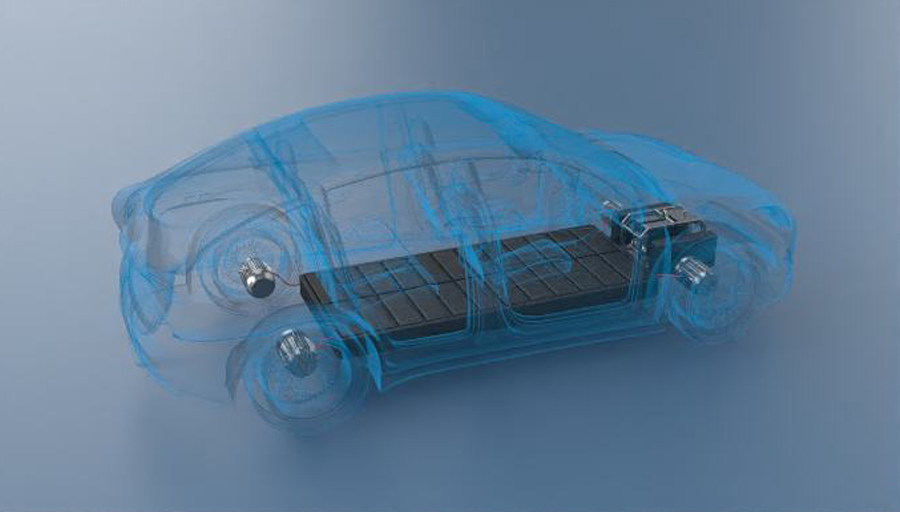
PITTSBURGH, PA, UNITED STATES, January 6, 2026 /EINPresswire.com/ -- Claude B. of St. Claude, Man. is the creator of the Canadian Electric Car, an electric vehicle platform engineered specifically to address the operational limitations of conventional battery-electric vehicles in cold climates and geographically remote regions. The vehicle integrates four independent electric drive motors with an onboard diesel-powered generator to form a hybridized energy and thermal management architecture designed to improve range stability, system reliability, and occupant safety under extreme environmental conditions.
Battery-electric vehicles operating in cold climates commonly experience significant range degradation due to increased heating demands and reduced battery efficiency. In northern and rural regions, these effects are compounded by sparse charging infrastructure, making extended travel and emergency operation impractical without auxiliary power. Additionally, the absence of redundant heating and backup energy systems can create safety risks during winter traffic delays, power outages, or severe weather events.
The Canadian Electric Car addresses these challenges through an onboard diesel generator that functions as a supplementary energy source rather than a primary propulsion system. The generator continuously recharges the vehicle’s battery pack during operation to reduce reliance on external charging stations and mitigate rapid battery depletion in cold environments. This architecture allows the vehicle to maintain propulsion, heating, and auxiliary systems even when grid-based charging is unavailable.
Thermal management is a central component of the vehicle’s design. The diesel system is liquid-cooled and integrated with a Webasto-based thermal loop to provide consistent cabin heating and powertrain temperature regulation during winter operation. This approach reduces battery strain by offloading heating demands from the electrical system. During warmer months, the same diesel-powered system supports absorption-based refrigeration, enabling cabin cooling without relying exclusively on battery-driven air conditioning. This dual-season thermal system improves overall energy efficiency and protects vehicle components from temperature-related degradation.
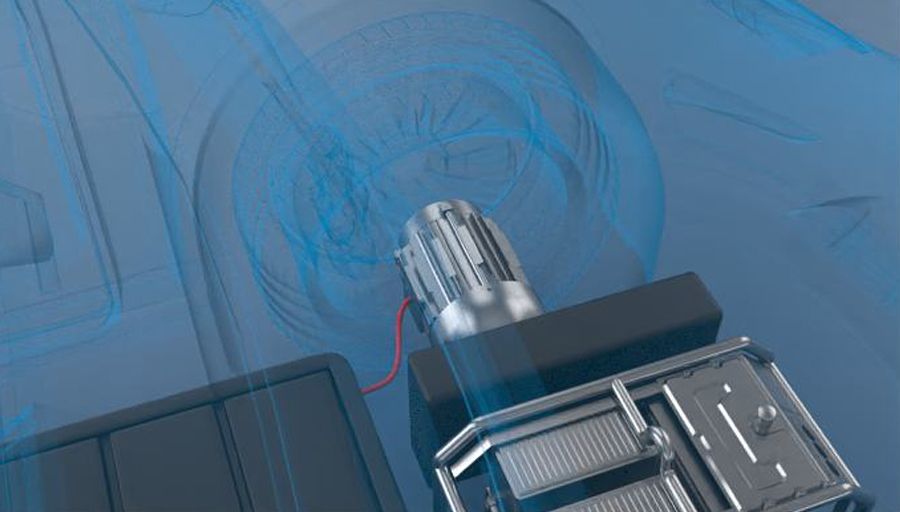
The vehicle features four independent electric motors to deliver all-wheel-drive capability in snowy or icy conditions. When full four-wheel drive is not required, the motors can operate in alternator mode to assist in battery recharging. This multifunctional motor system enhances efficiency while maintaining consistent energy availability across varying driving conditions.
Key features and benefits include:
• Hybrid Energy Architecture: Integrates four electric drive motors with an onboard diesel-powered generator to extend operational range and reduce dependence on external charging infrastructure.
• Cold-Climate Optimization: Mitigates rapid battery depletion caused by heating demands to improve efficiency and reliability in frigid environments.
• All-Wheel Drive Safety and Control: Four independent electric motors provide enhanced traction and stability in snow and ice.
• Energy Recovery and Battery Support: Electric motors can function as alternators when full traction is not required to support continuous battery charging.
• Extended Component Lifespan: Reduces thermal stress on batteries and power electronics to help preserve performance and durability over time.
Canadian Electric Car offers a unique approach to electric vehicle design for harsh climates that combines battery-electric propulsion with auxiliary generation and advanced thermal management. The platform prioritizes operational resilience, safety, and efficiency in conditions where conventional EV architectures face significant limitations.
Claude filed his Utility Patent with the United States Patent and Trademark Office (USPTO) and is working closely with InventionHome, a leading invention licensing firm, to sell or license the patent rights to his Canadian Electric Car. Ideal licensing candidates would be U.S. based product manufacturers or distributors looking to further develop and distribute this product innovation.
Companies interested in the Canadian Electric Car can contact InventionHome at member@inventionhome.com. Inventors currently looking for assistance in patenting, marketing, or licensing their invention can request information from InventionHome at info@inventionhome.com or by calling 1-866-844-6512.
About InventionHome®
InventionHome® is a top-rated invention marketing and product licensing company dedicated to helping inventors successfully patent, prototype, and promote their new product ideas. From securing intellectual property to connecting with potential licensees, InventionHome® offers a streamlined path to commercialization. Learn more at https://www.inventionhome.com or email info@inventionhome.com.
For expert guidance on every step of the invention process, visit our growing library of inventor resources and articles at https://inventionhome.com/articles.
Battery-electric vehicles operating in cold climates commonly experience significant range degradation due to increased heating demands and reduced battery efficiency. In northern and rural regions, these effects are compounded by sparse charging infrastructure, making extended travel and emergency operation impractical without auxiliary power. Additionally, the absence of redundant heating and backup energy systems can create safety risks during winter traffic delays, power outages, or severe weather events.
The Canadian Electric Car addresses these challenges through an onboard diesel generator that functions as a supplementary energy source rather than a primary propulsion system. The generator continuously recharges the vehicle’s battery pack during operation to reduce reliance on external charging stations and mitigate rapid battery depletion in cold environments. This architecture allows the vehicle to maintain propulsion, heating, and auxiliary systems even when grid-based charging is unavailable.
Thermal management is a central component of the vehicle’s design. The diesel system is liquid-cooled and integrated with a Webasto-based thermal loop to provide consistent cabin heating and powertrain temperature regulation during winter operation. This approach reduces battery strain by offloading heating demands from the electrical system. During warmer months, the same diesel-powered system supports absorption-based refrigeration, enabling cabin cooling without relying exclusively on battery-driven air conditioning. This dual-season thermal system improves overall energy efficiency and protects vehicle components from temperature-related degradation.
The vehicle features four independent electric motors to deliver all-wheel-drive capability in snowy or icy conditions. When full four-wheel drive is not required, the motors can operate in alternator mode to assist in battery recharging. This multifunctional motor system enhances efficiency while maintaining consistent energy availability across varying driving conditions.
Key features and benefits include:
• Hybrid Energy Architecture: Integrates four electric drive motors with an onboard diesel-powered generator to extend operational range and reduce dependence on external charging infrastructure.
• Cold-Climate Optimization: Mitigates rapid battery depletion caused by heating demands to improve efficiency and reliability in frigid environments.
• All-Wheel Drive Safety and Control: Four independent electric motors provide enhanced traction and stability in snow and ice.
• Energy Recovery and Battery Support: Electric motors can function as alternators when full traction is not required to support continuous battery charging.
• Extended Component Lifespan: Reduces thermal stress on batteries and power electronics to help preserve performance and durability over time.
Canadian Electric Car offers a unique approach to electric vehicle design for harsh climates that combines battery-electric propulsion with auxiliary generation and advanced thermal management. The platform prioritizes operational resilience, safety, and efficiency in conditions where conventional EV architectures face significant limitations.
Claude filed his Utility Patent with the United States Patent and Trademark Office (USPTO) and is working closely with InventionHome, a leading invention licensing firm, to sell or license the patent rights to his Canadian Electric Car. Ideal licensing candidates would be U.S. based product manufacturers or distributors looking to further develop and distribute this product innovation.
Companies interested in the Canadian Electric Car can contact InventionHome at member@inventionhome.com. Inventors currently looking for assistance in patenting, marketing, or licensing their invention can request information from InventionHome at info@inventionhome.com or by calling 1-866-844-6512.
About InventionHome®
InventionHome® is a top-rated invention marketing and product licensing company dedicated to helping inventors successfully patent, prototype, and promote their new product ideas. From securing intellectual property to connecting with potential licensees, InventionHome® offers a streamlined path to commercialization. Learn more at https://www.inventionhome.com or email info@inventionhome.com.
For expert guidance on every step of the invention process, visit our growing library of inventor resources and articles at https://inventionhome.com/articles.
InventionHome
InventionHome
+1 866-844-6512
info@inventionhome.com
Legal Disclaimer:
EIN Presswire provides this news content "as is" without warranty of any kind. We do not accept any responsibility or liability for the accuracy, content, images, videos, licenses, completeness, legality, or reliability of the information contained in this article. If you have any complaints or copyright issues related to this article, kindly contact the author above.